

Coromandel Town or Coromandel Peninsula? Names explained
Stay Coromandel travel guide · checked 23 November 2026
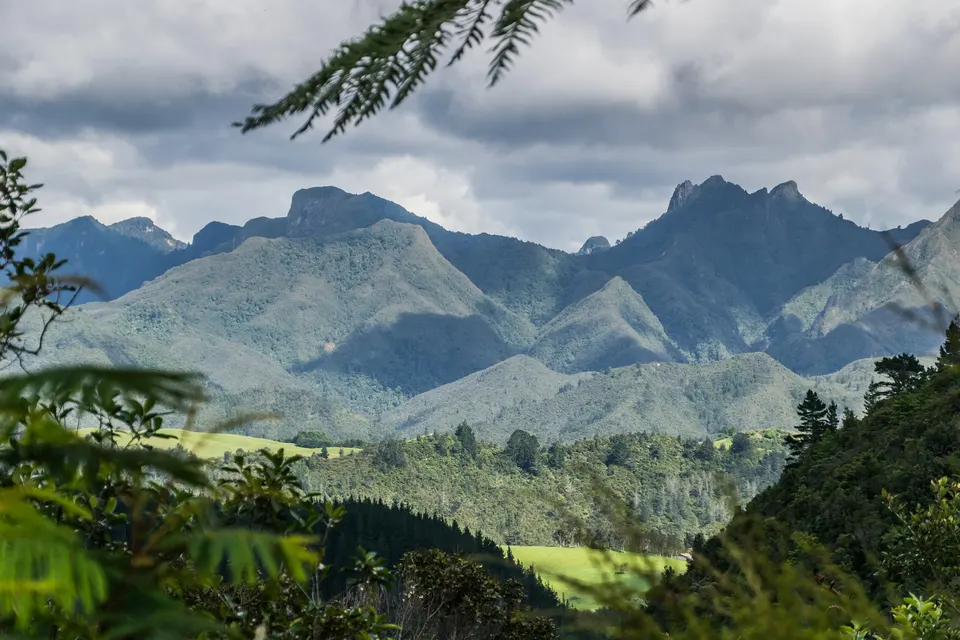
“The Coromandel” usually means the whole Coromandel Peninsula; Coromandel, often called Coromandel Town, is a small town on the west coast, about an hour’s drive north of Thames. The name comes from a British ship that loaded kauri for masts here in 1821, and goes back to the Coromandel Coast of India. Many local names are in common use but not official: in the New Zealand Gazetteer, official names include Whangamatā, Kūaotunu, Whitianga and Pauanui.
Key facts
| The Coromandel | The Coromandel Peninsula (a recorded name, not an official one) |
|---|---|
| Coromandel Town | The town of Coromandel, about 1 hour north of Thames |
| Councils | Thames-Coromandel District Council and Hauraki District Council |
| Name origin | A British ship that loaded kauri timber for masts here in 1821; the name goes back to India’s Coromandel Coast |
| Thames | From James Cook, who called the Waihou River ‘the river Thames’ in 1769 |
| Marine reserve | Te Whanganui-o-Hei / Cathedral Cove Marine Reserve (official) |
Is Coromandel a town or the peninsula?
Both. Coromandel, usually called Coromandel Town to avoid confusion, is the peninsula’s most historic settlement, on Coromandel Harbour about an hour’s drive north of Thames. “The Coromandel” or the Coromandel Peninsula is the whole mountainous peninsula.
The wider Hauraki–Coromandel region also takes in the flat, fertile Hauraki Plains. Two councils share it: Thames-Coromandel District Council on the peninsula, and Hauraki District Council, whose main towns are Paeroa, Waihī and Ngatea.
Where does the name Coromandel come from?
In south-east India, the land of the medieval Chola dynasty was called Cholamandalam in Tamil. Portuguese traders in the 1500s turned that into Coromandel, and other Europeans took up the name for the Coromandel Coast.
The peninsula took the name from a British ship that loaded kauri timber for masts and booms here in 1821. Searches for “Coromandel” still mix up the peninsula, the town and the Indian coast.
Why is the gateway town called Thames?
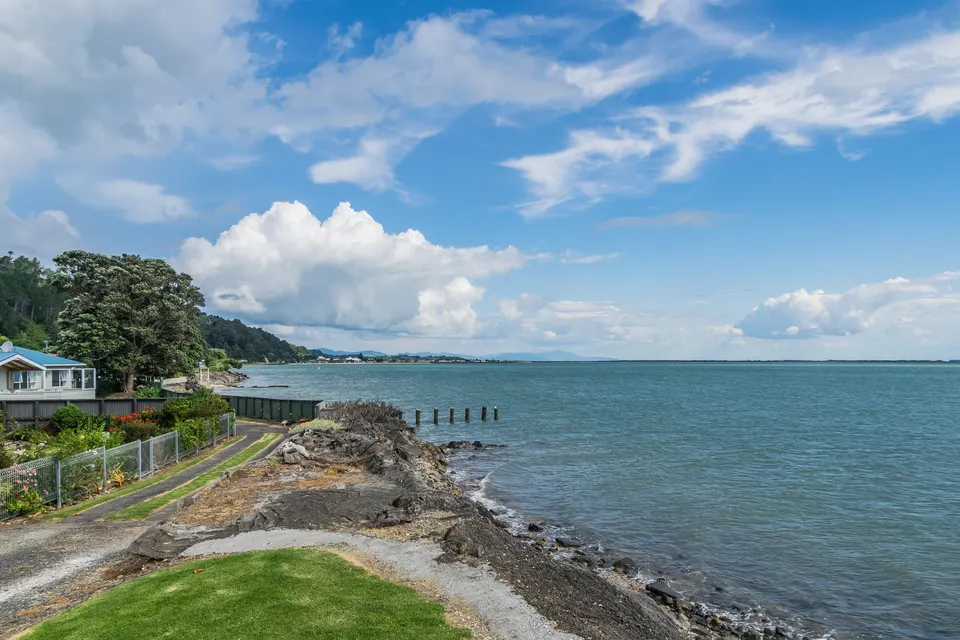
In 1769 James Cook travelled up the Waihou River in a longboat, called it ‘the river Thames’ and named the Firth of Thames. The area around the river was long known as the Thames valley.
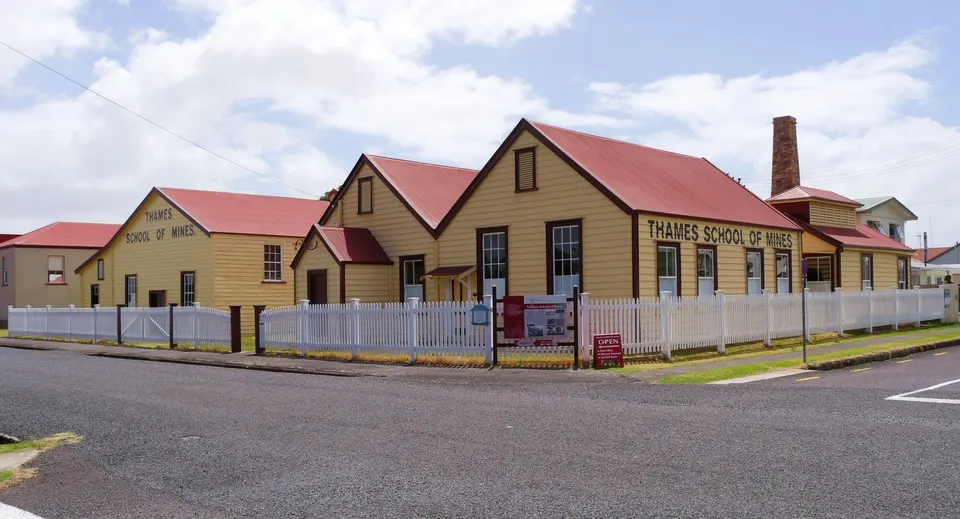
The town itself grew from three settlements of the 1867–68 gold rush: Shortland, chosen by the government at the mouth of the Kauaeranga River; Tookeys Flat, where miners camped on the Kuranui Stream; and Grahamstown, on land bought by Auckland businessman Robert Graham in 1868.
What are the Māori names?
To local Māori the whole region is Hauraki, reaching from Mahurangi, north of Auckland, to just north of the Tauranga Harbour entrance. Te Ara lists these traditional names:
Only some of these are official place names. The gulf’s official name is the dual name Hauraki Gulf / Tīkapa Moana, and the marine reserve off Hahei is officially Te Whanganui-o-Hei / Cathedral Cove Marine Reserve, spelt “-o-Hei”.
- Coromandel Peninsula: Te Tara-o-te-Ika a Māui (the jagged barb of Māui’s fish) or Te Paeroa-a-Toi (Toi’s long mountain range)
- Whitianga: Te Whitianga-a-Kupe (Kupe’s crossing)
- Mercury Bay: Te Whanganui-a-Hei (the great harbour of Hei)
- Hauraki Gulf: Tīkapa Moana
Which names are official, and why do spellings differ?
The New Zealand Gazetteer, kept by Toitū Te Whenua Land Information New Zealand (LINZ), separates official names from names that are only recorded. Recorded names are in common use but have never been made official, which is why you will see some written both with and without macrons.
| Name | Status in the NZ Gazetteer | How we write it |
|---|---|---|
| Whangamatā, Kūaotunu | Official, with macron | Whangamatā, Kūaotunu |
| Whitianga, Hauraki Plains, Coromandel Range | Official | Same |
| Pauanui | Official without macron (1974); “Pāuanui” only collected | Pāuanui, as the district council writes it |
| Waihi | Recorded; “Waihī” collected | Waihī |
| Thames, Tairua, Hahei, Mercury Bay, Coromandel, Coromandel Peninsula | Recorded, not official | Usual spelling |
| Te Whanganui-o-Hei / Cathedral Cove Marine Reserve | Official | Same |
The Gazetteer notes that Pauanui means many or large pāua (abalone). Names can repeat around New Zealand with different spellings: the official Pāuanui with a macron is a hill in Northland.
Questions
Is Coromandel a town?
Yes. Coromandel, often called Coromandel Town, is a town on the west coast of the peninsula, about an hour’s drive north of Thames. “The Coromandel” usually means the whole peninsula.
Why is it called the Coromandel?
The name comes from a British ship that loaded kauri timber here in 1821. The ship’s name goes back to the Coromandel Coast of south-east India.
Is it Pauanui or Pāuanui?
The official gazetted name is Pauanui, without a macron. The district council and many locals write Pāuanui.
What is the Māori name for the Coromandel Peninsula?
Te Ara gives Te Tara-o-te-Ika a Māui (the jagged barb of Māui’s fish) and Te Paeroa-a-Toi (Toi’s long mountain range). Neither is an official gazetted name for the peninsula.
Sources
Checked 23 November 2026 against these sources. Rules, prices and times change, so check the official page before you go. How we check facts
- Te Ara: Hauraki–Coromandel region – Overview
- Te Ara: Hauraki–Coromandel region – Māori names (page 4)
- Te Ara: Hauraki–Coromandel places – Thames
- Te Ara: Hauraki–Coromandel places – Coromandel and surrounds
- LINZ: New Zealand Gazetteer
- LINZ Gazetteer: Pauanui (locality)
- Thames-Coromandel District Council: travel times (PDF)
- Thames-Coromandel District Council: Tairua-Pāuanui ward
- Hauraki District Council
- LINZ Gazetteer: Pāuanui (hill, Northland)