

Gold mining history of the Coromandel and Waihī
Stay Coromandel travel guide · checked 23 November 2026
The first rumours of gold in New Zealand came from the Coromandel Peninsula in the 1820s, and in 1852 Charles Ring found gold at Driving Creek near Coromandel Town. The big rush started at Thames in 1867. From 1889 the cyanide process, first used on a large commercial scale at Karangahake, made hard-rock mining pay, and Waihī’s Martha mine became the country’s most productive gold mine.
Key facts
| First find | 1852, Charles Ring, Driving Creek near Coromandel Town |
|---|---|
| Thames rush | From August 1867; about 18,000 people lived in Thames in 1868 |
| Cyanide process | Trialled at Karangahake in 1889, the first large-scale commercial use in the world |
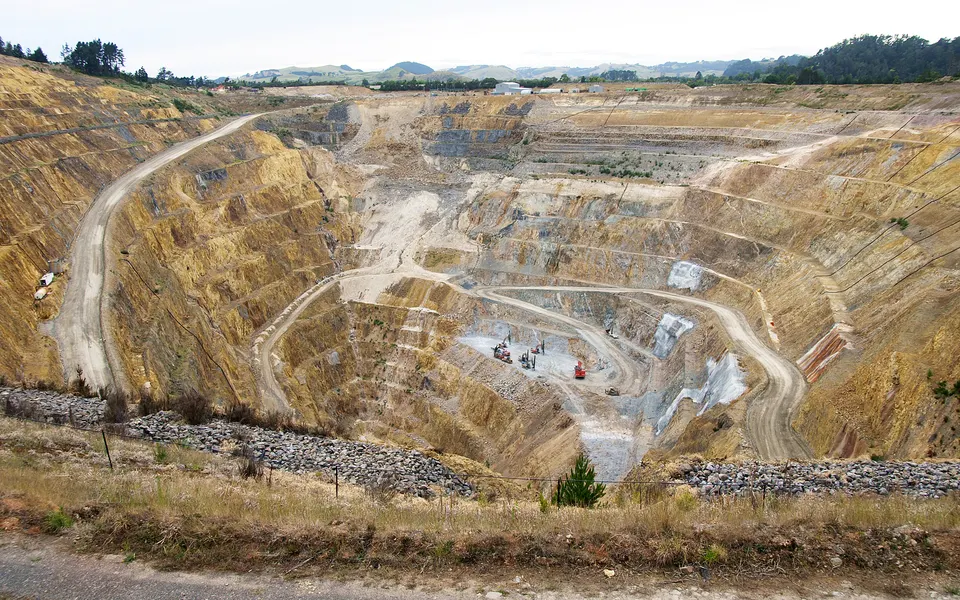
| Martha mine, Waihī | Underground mining ended in 1952; reopened as an open pit in 1987 |
| Victoria Battery, Waikino | Built 1897; 200 stamps crushing 800 tonnes of ore a day; closed 1954 |
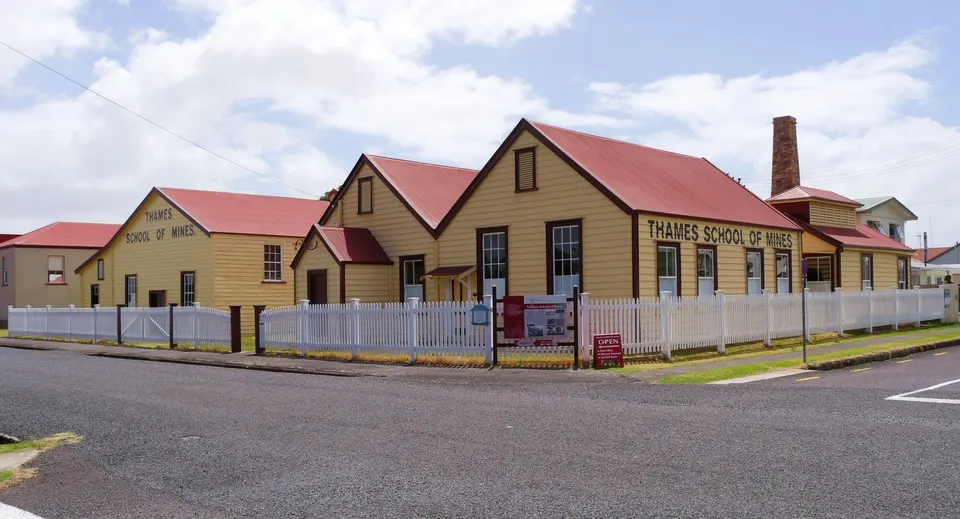
| Thames School of Mines | Opened 1886; now a Heritage New Zealand property |
Where was gold first found in the Coromandel?
Reports of gold on the peninsula go back to the 1820s, but nothing came of them for decades. In 1852 a group in Auckland offered a reward for a payable goldfield near the town, raised from £100 to £500. Charles Ring claimed the reward after panning gold flakes from Driving Creek, near Coromandel Town.
The find turned out to be a small patch of alluvial gold, worth less than £1,200 by April 1853. Miners came to Coromandel in 1852 and again in 1862 and soon left. Quartz reefs were found in the hills in the early 1860s, and returns at Coromandel improved once mining companies invested from 1868.
Why did Thames boom in 1867?
In August 1867 prospectors saw a fleck of gold in the rock of a Kuranui Stream waterfall near Thames. Within months the foothills were full of miners. Some reefs were very rich: in 1870 the Caledonian mine produced 140,000 ounces (3,969 kg) of gold and silver bullion in just over a year, and in 1868 about 18,000 people lived in Thames.
Hard-rock mining needed money for tunnels, crushing and processing, so larger companies gradually took over. The town grew from three settlements: Shortland, Tookeys Flat and Grahamstown; Thames engineering firm A & G Price began by making mining equipment. By the 1890s the big rushes were over.
What changed with the cyanide process?
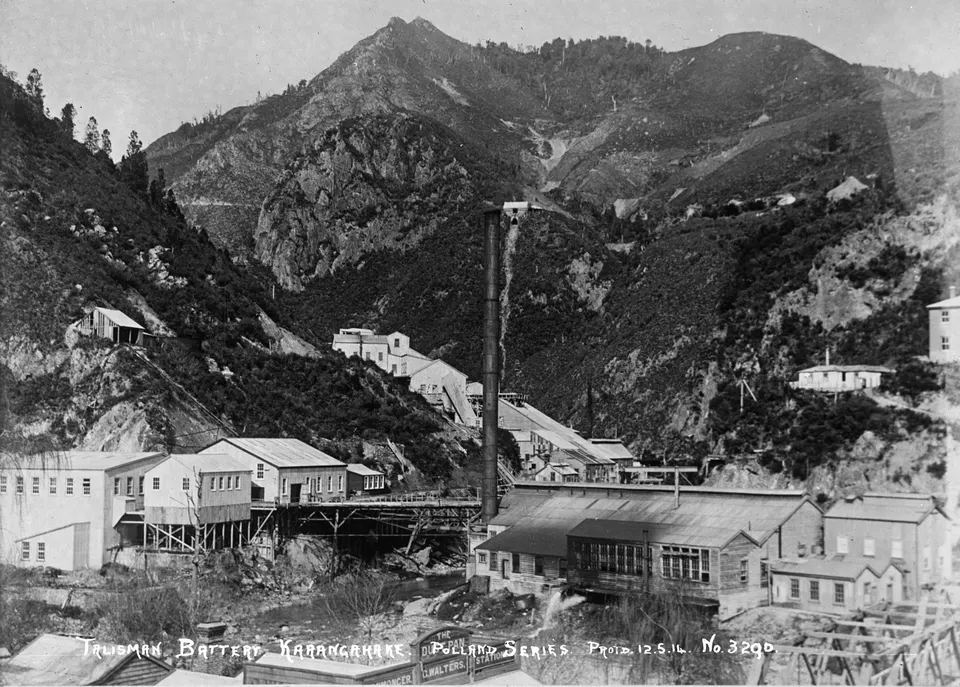
Stamper batteries crushed the quartz, but the early recovery methods saved only about 45% of the gold and almost none of the silver. In 1889 the New Zealand Crown Mines Company trialled the cyanide process at Karangahake, the first time it was used on a large scale in commercial mining anywhere. It raised recovery to about 90% of the gold and 50% of the silver, and made lower-grade ore worth mining.
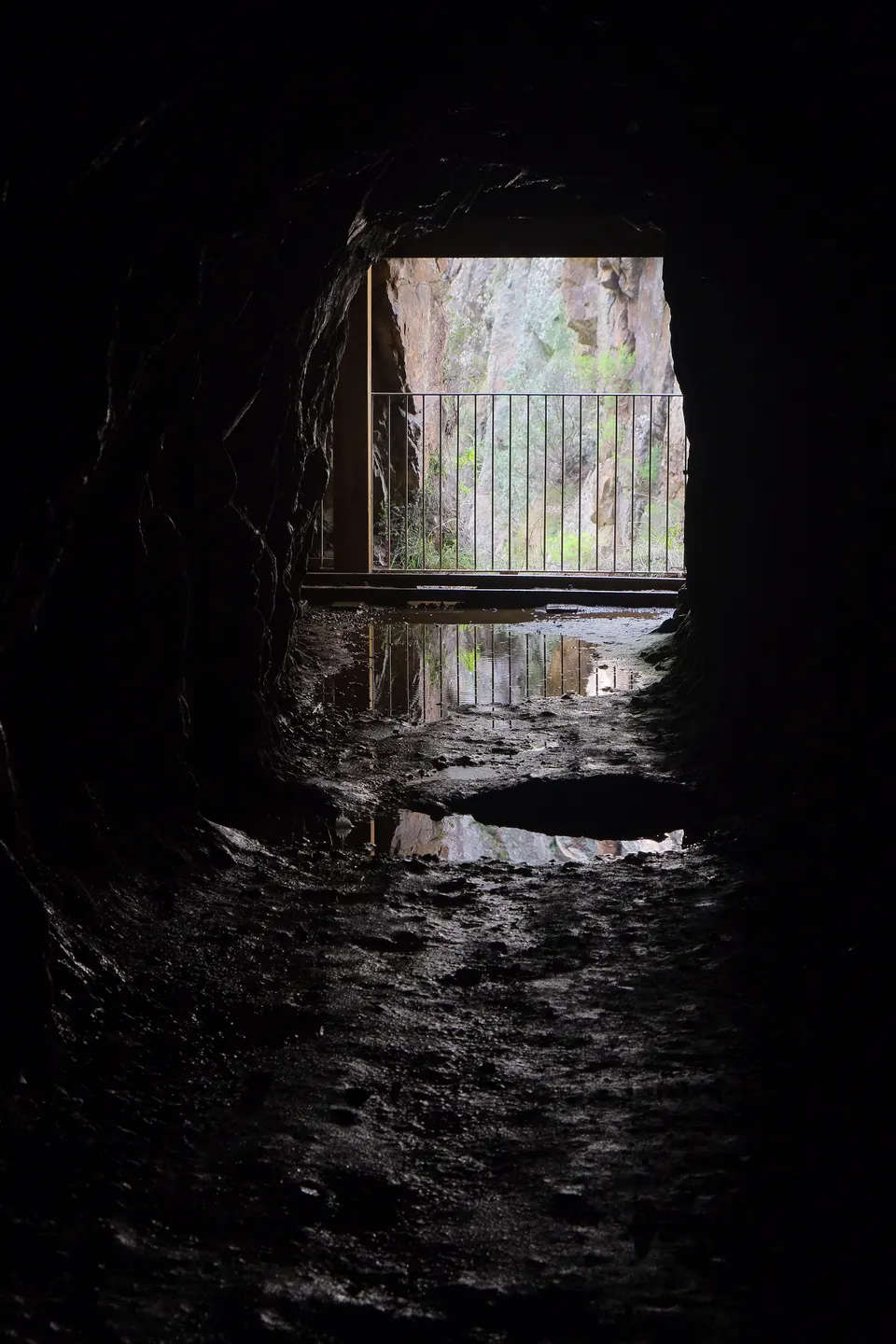
Reefs at Karangahake had been found in 1882 but did not pay until cyanide arrived. The township, on the narrow flat across the river from the batteries, reached close to 1,400 people in 1911 and all but disappeared after mining ended around 1920. Its Talisman mine was the third most productive gold mine in New Zealand. Today the Windows Walk follows old mining tunnels above the gorge.
What is the story of Waihī and the Martha mine?
Waihī started in the 1880s as a rough settlement with little more than a store and a hotel. It grew fast once the cyanide process made its ore pay, and by 1906 it had 5,594 people. The Martha mine was New Zealand’s most productive gold mine. Its ore was taken by rail to the Victoria Battery at Waikino, built in 1897 with 200 stamp heads crushing 800 tonnes a day, one of the largest in the world.
In 1912 Waihī was the scene of a six-month miners’ strike that led to New Zealand’s first death in an industrial dispute. Underground mining at the Martha ended in 1952 and the Victoria Battery closed in 1954. Higher gold prices brought mining back: the Martha reopened as an open pit in 1987, and the Favona underground mine near Waihī opened in 2006.
Where can you see gold-mining history today?
- Thames School of Mines (Heritage New Zealand): opened in 1886 and closed in the 1950s; guided tours Wednesday to Saturday at 10.30am, 1pm and 2.30pm, with old classrooms, assay furnaces, a working model stamper battery and a large mineral collection.
- Karangahake Gorge: the Windows Walk and the remains of the Talisman battery, on DOC land.
- Waihī: the Gold Discovery Centre (open daily 10am–4pm) and tours of the modern mine.
- Broken Hills, near Hikuai: a short DOC walk to the site of a mine that worked from 1896 to 1914.
Questions
When did the Thames gold rush start?
In August 1867, after gold was seen in a waterfall on the Kuranui Stream. By 1868 about 18,000 people lived in Thames.
Who first found gold in the Coromandel?
Charles Ring, who found gold flakes at Driving Creek near Coromandel Town in 1852 and claimed a £500 reward.
What was the Victoria Battery?
A huge ore-crushing plant at Waikino, built in 1897 for the Martha mine. At its peak 200 stamps crushed 800 tonnes of ore a day. It closed in 1954.
Can you visit the Thames School of Mines?
Yes, on guided tours from Wednesday to Saturday. Adults pay $10; under-18s are free.
Sources
Checked 23 November 2026 against these sources. Rules, prices and times change, so check the official page before you go. How we check facts
- Te Ara: Gold and gold mining – Coromandel Peninsula
- Te Ara: Gold and gold mining – Gold and the economy
- Te Ara: Hauraki–Coromandel places – Thames
- Te Ara: Hauraki–Coromandel places – Coromandel and surrounds
- Te Ara: Hauraki–Coromandel places – Waihī and surrounds
- Heritage New Zealand: School of Mines Buildings (List entry 132)
- Heritage New Zealand: Visit Thames School of Mines
- DOC: Broken Hills area
- Gold Discovery Centre, Waihī