

Coromandel beaches: safe swimming, rips and patrols
Stay Coromandel travel guide · checked 23 November 2026
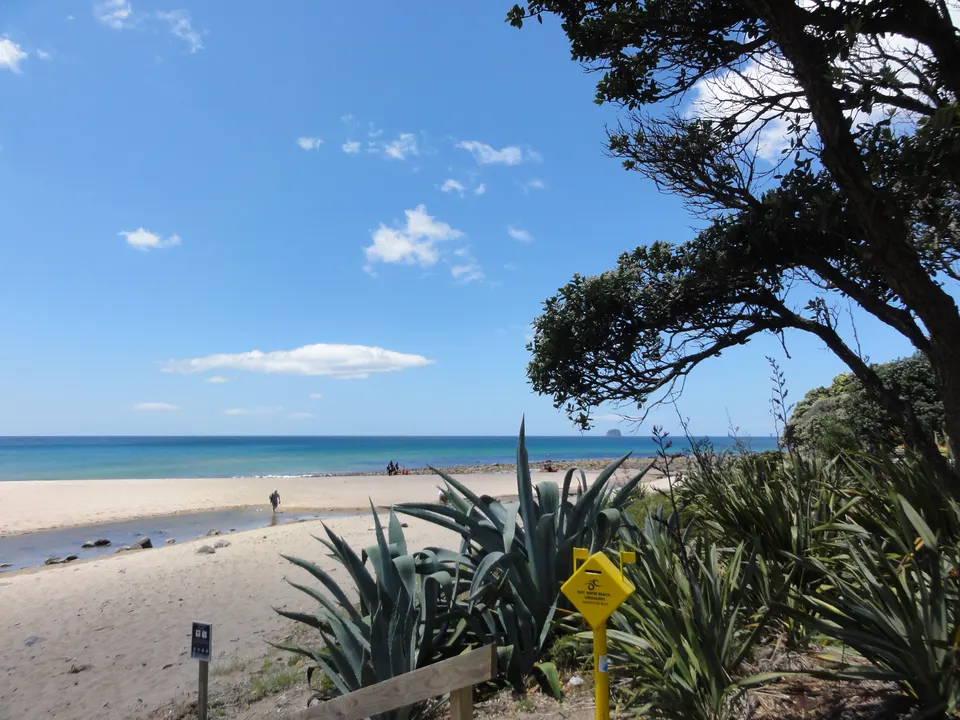
On the Coromandel, swim between the red and yellow flags when surf lifeguards are on patrol: Surf Life Saving New Zealand has clubs at Hot Water Beach, Tairua, Pāuanui, Onemana, Whangamatā and Whiritoa. If a rip carries you out, float, raise your hand and ride it until it weakens. After heavy rain, give the water up to two days to clear.
Key facts
| Surf lifesaving clubs | Hot Water Beach, Tairua, Pāuanui, Onemana, Whangamatā, Whiritoa |
|---|---|
| Patrol times | On Safeswim |
| Caught in a rip | Relax and float, raise your hand, ride the rip |
| Emergency | Call 111 and ask for police |
| Water quality | Tested weekly from November to March; results on LAWA |
| After heavy rain | Contaminants can stay in the water for up to 48 hours |
| Long or strong earthquake | Move inland or to higher ground at once |
Which Coromandel beaches have lifeguards?
Surf Life Saving New Zealand lists six clubs on the Coromandel’s east coast: Hot Water Beach, Tairua, Pāuanui, Onemana, Whangamatā and Whiritoa. In summer, surf lifeguards patrol 93 locations around New Zealand and put up red and yellow flags where it is safest to swim.
Patrol days and times vary, so check Safeswim before you go: it shows patrol times, hazards, warnings and tides for each patrolled beach. If no one is on patrol and you are unsure, stay out of the water.
How do you spot a rip, and what if you are caught in one?
A rip is a narrow current flowing out to sea, and the bigger the surf, the stronger it gets. Surf Life Saving New Zealand says rips often look like the calmest part of the beach: a calm gap between breaking waves, deeper and darker water, a ripple pattern on the sand, or foamy, discoloured water and debris moving out to sea.
If you are caught, do not swim against it. Relax and float, raise a hand to signal for help, and ride the rip until it weakens; many rips circle back towards shallower water. Swim back to shore only when you are sure you can.
What are the basic beach safety rules?
- Know how to float before you go in.
- Swim between the red and yellow flags.
- If in doubt, stay out: waves can be bigger than they look.
- Keep children within arm’s reach in and near the water.
- If someone is in trouble, tell the lifeguards; if there are none, call 111 and ask for police.
Is it safe to swim at Hot Water Beach?
Hot Water Beach is a surf beach with strong currents and rips, and the rocks in front of the hot springs are a particularly hazardous spot. Swim only between the flags when lifeguards are on patrol. Our Hot Water Beach page explains when to dig a pool.
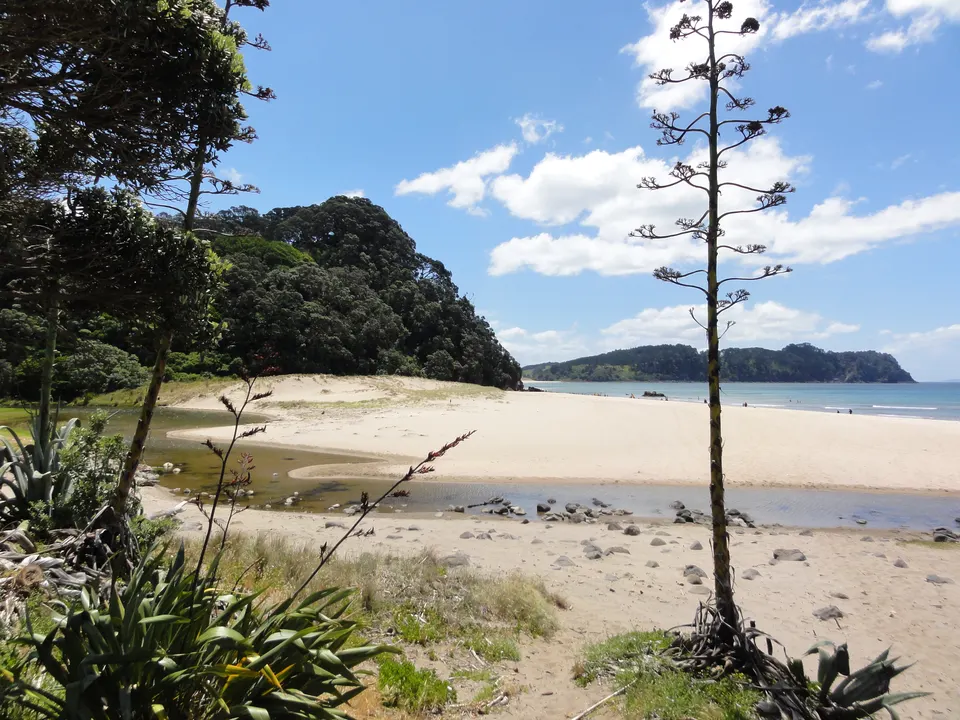
Is the water clean enough to swim?
Waikato Regional Council tests the water at popular beaches and estuaries every week from November to March and publishes the results on LAWA. After heavy rain, contaminants can stay in the water for up to two days (48 hours), so wait before you swim.
What should you do about tsunami?
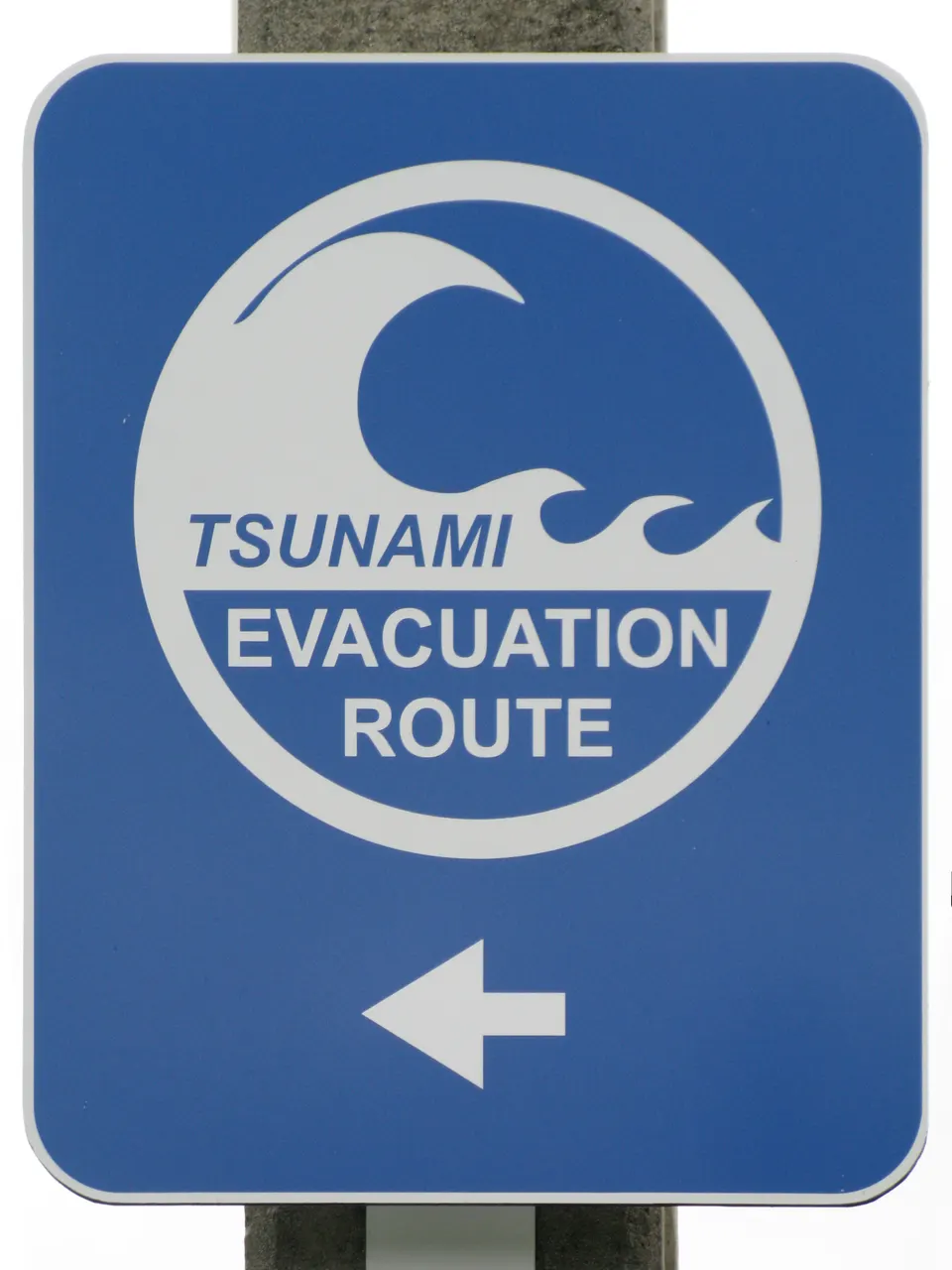
Thames-Coromandel District Council asks visitors to notice the tsunami signs at beach access points. If you feel an earthquake that is long or strong, do not wait for an official warning: move inland or to higher ground straight away, and go as far or as high as you can. Stay away until Civil Defence gives the all-clear.
The council says sirens in the district call out the local fire brigade; they are not an instruction to the public. For local news in an emergency, it suggests 94.0 FM and 95.1 FM.
Can you take dogs to the beach?
On some beaches, at some times. Thames-Coromandel District Council’s summer dog rules apply from Labour Weekend to 1 March, with extra limits from 20 December to 31 January. On restricted beaches dogs are often allowed only before 9 am and after 6 pm. Signs show the rule: green for off-lead exercise, orange for on-lead, red for no dogs. Keep dogs out of signposted bird-nesting areas.
Questions
Which Coromandel beaches are patrolled by lifeguards?
Surf Life Saving New Zealand has clubs at Hot Water Beach, Tairua, Pāuanui, Onemana, Whangamatā and Whiritoa. Check Safeswim for patrol days and times.
What should I do if I get caught in a rip?
Relax and float, raise your hand for help, and ride the rip until it weakens. Do not swim against it.
Can I swim after heavy rain?
Better to wait. Waikato Regional Council says contaminants can stay in the water for up to 48 hours after heavy rain.
Are dogs allowed on Coromandel beaches in summer?
Only on some beaches and at some times. Summer rules run from Labour Weekend to 1 March, with extra limits from 20 December to 31 January; follow the coloured signs.
What do I do if I feel an earthquake at the beach?
If it is long or strong, move inland or to higher ground straight away, without waiting for an official warning.
Sources
Checked 23 November 2026 against these sources. Rules, prices and times change, so check the official page before you go. How we check facts
- Surf Life Saving New Zealand: find a surf life saving club
- Surf Life Saving New Zealand: find a lifeguarded beach
- Surf Life Saving New Zealand: five beach safety messages
- Surf Life Saving New Zealand: rips
- Safeswim
- Waikato Regional Council: coastal recreational water quality
- LAWA: can I swim here?
- Thames-Coromandel District Council: tsunami
- Thames-Coromandel District Council: emergency safety flyer 2026 (PDF)
- National Emergency Management Agency: Get Ready – tsunami
- Thames-Coromandel District Council: our dog rules
- Destination Hauraki Coromandel: Hot Water Beach